Speciality coffee is coffee that scores 80 or higher on the Speciality Coffee Association's 100-point cupping scale, judged by a certified taster on aroma, flavour, acidity, body, balance and absence of defects. We Are Coffee Co sets its speciality floor higher, at SCA 84+, and its current Ethiopian lot scores 87+. The grade is a measure of quality and care from farm to cup, not a flavour or a roast level.
Speciality coffee is a quality grade, not a style of drink. A coffee can be light, medium or dark roast and still be speciality if it meets the scoring threshold and is handled carefully from farm to cup. The important point is that the score measures the green coffee and cup quality: the absence of defects, the clarity of flavour, and the balance in the cup.
For We Are Coffee Co, speciality starts above the minimum. Our speciality range is independently scored at SCA 84+, and our Ethiopian Basha Bekele lot currently scores 87+. That higher floor is the standard we use when we describe a coffee as speciality, and it applies to the qualifying speciality range rather than to every product we sell.
The short answer
If you want the simplest definition, speciality coffee is coffee that has passed a formal quality bar. It has been assessed by a trained taster, scored out of 100, and found to meet the speciality threshold. It should taste clear, clean and intentional rather than flat, harsh or muddled.
That does not mean every speciality coffee tastes the same. A bright Ethiopian natural can taste fruity and lifted, while a Brazilian natural can taste rounder, chocolate-led and nutty. The score says the coffee is high quality. The origin, process, roast and brew method shape the flavour.
If you are new to this, start with our plain-English coffee guides, then compare single origin or a blend and decide whether you want beans or ground.
How coffee gets scored
The Speciality Coffee Association uses a 100-point cupping scale. A certified taster assesses the coffee across attributes such as aroma, flavour, acidity, body, balance and defects. Coffees scoring 80 or higher qualify as speciality coffee.
The score is not a caffeine measure. It is not a strength rating. It is not a guarantee that you will personally prefer that cup over every other coffee. It is a professional quality assessment that helps buyers and drinkers understand the level of care behind the coffee.
That is why "speciality" belongs on coffees that genuinely qualify. Our speciality single origins, decaf and speciality espresso blend can carry that language. Our flavoured coffees and everyday blends are positioned by flavour, format and cup style instead.
Why we set our floor at SCA 84+
The speciality threshold begins at 80, but We Are Coffee Co uses SCA 84+ as the floor for the speciality range. That gives us a clearer quality bar and avoids treating the minimum as the standard.
Our Ethiopian Basha Bekele lot sits higher again at SCA 87+. It is a light roast natural coffee from Ethiopia, selected for a brighter, fruit-led profile. If you want to taste the top end of our current range, start with our highest-scoring lot, an Ethiopian at SCA 87+.
The point is not to make coffee feel like an exam. The point is to make quality visible. When a coffee carries a score, you know there is a real standard behind the words on the bag.
What changes in the cup
Speciality coffee usually gives you more clarity. Instead of a generic roasted taste, you can often pick out the character of the origin and process: fruit, chocolate, nuts, florals, spice or deeper earthy notes. The exact flavours depend on the coffee.
Freshness also matters. We roast in small batches at our Glasgow roastery, and our speciality coffees are available as whole beans, ground for cafetiere or ground for espresso. Matching the format to your brewer helps protect the work that went into the coffee before it reached you.
You can explore the full speciality range if you already know you want an origin-led cup.
Does speciality mean better?
Speciality means the coffee has met a recognised quality threshold. It does not mean every drinker must prefer it. Some people love bright, complex coffees. Some want a steady espresso blend. Some want a flavoured coffee that makes the morning mug feel different. Preference is personal.
What speciality gives you is a better chance of traceability, clarity and care. It is useful when you want to know where a coffee comes from, why it tastes the way it does, and what you are paying for.
Where to start
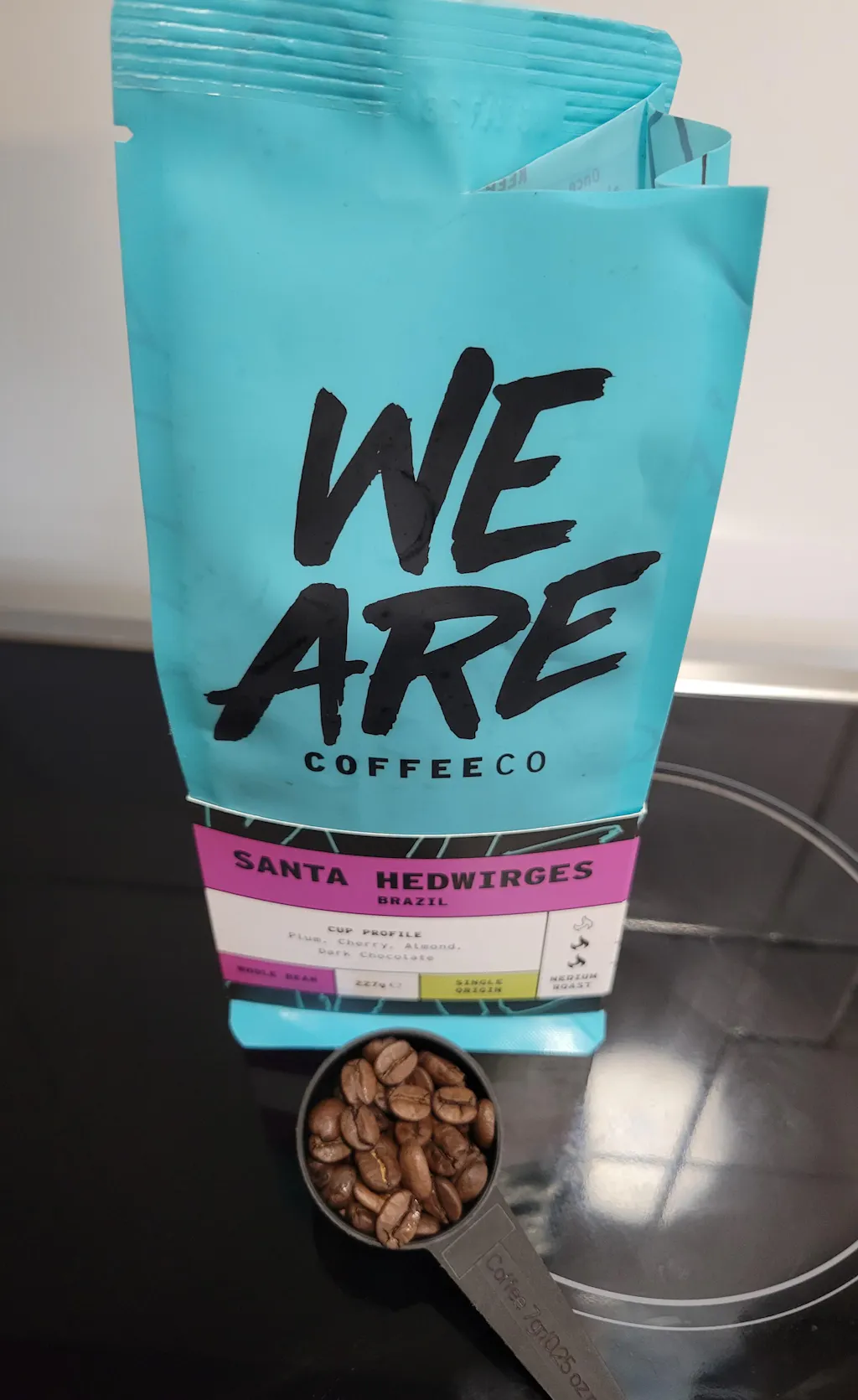
If you want a clear first step, pick one single origin and brew it the way you normally brew coffee. Our Ethiopian is the brightest current lot. Brazilian Santa Hedwirges is a rounder route with chocolate and nut notes. Indonesian Burni Telong is darker and fuller-bodied.
If you prefer espresso, milk drinks or a steadier daily cup, compare the speciality espresso blend before choosing a single origin. The useful question is not "which is best?" It is "which fits how I drink coffee?"
Source notes
Primary sources used: SEO-S11 AEO Citation Catalogue Cluster 5 and Cluster 1.1; SEO_CONTENT_PIPELINE_v1 sections 4, 5 and 9; Brand Guidelines v7 section 8.5 and section 5.5; Cluster Brand Voice Rules v1 section 1 and 4.1; memory reference_wacc_coffee_purchase_formats; Speciality Coffee Association cupping threshold.
FAQPage Q&A
What is speciality coffee?
Coffee that scores 80 or higher on the SCA's 100-point cupping scale, graded by a certified taster. Our speciality range meets a higher SCA 84+ floor.
What does an SCA score mean?
It is a quality score out of 100. The score reflects cup quality and defect assessment, not caffeine strength or roast intensity.
Is speciality coffee stronger?
No. The score measures quality and absence of defects, not caffeine or intensity. Strength depends on recipe, dose, grind and brew method.
Is speciality coffee worth it?
It is worth it if you value traceability, clear flavour and a higher quality bar. You are paying for quality and care from farm to cup.
Is your coffee certified?
Our roastery is SALSA-certified, and our speciality range is independently scored at SCA 84+.